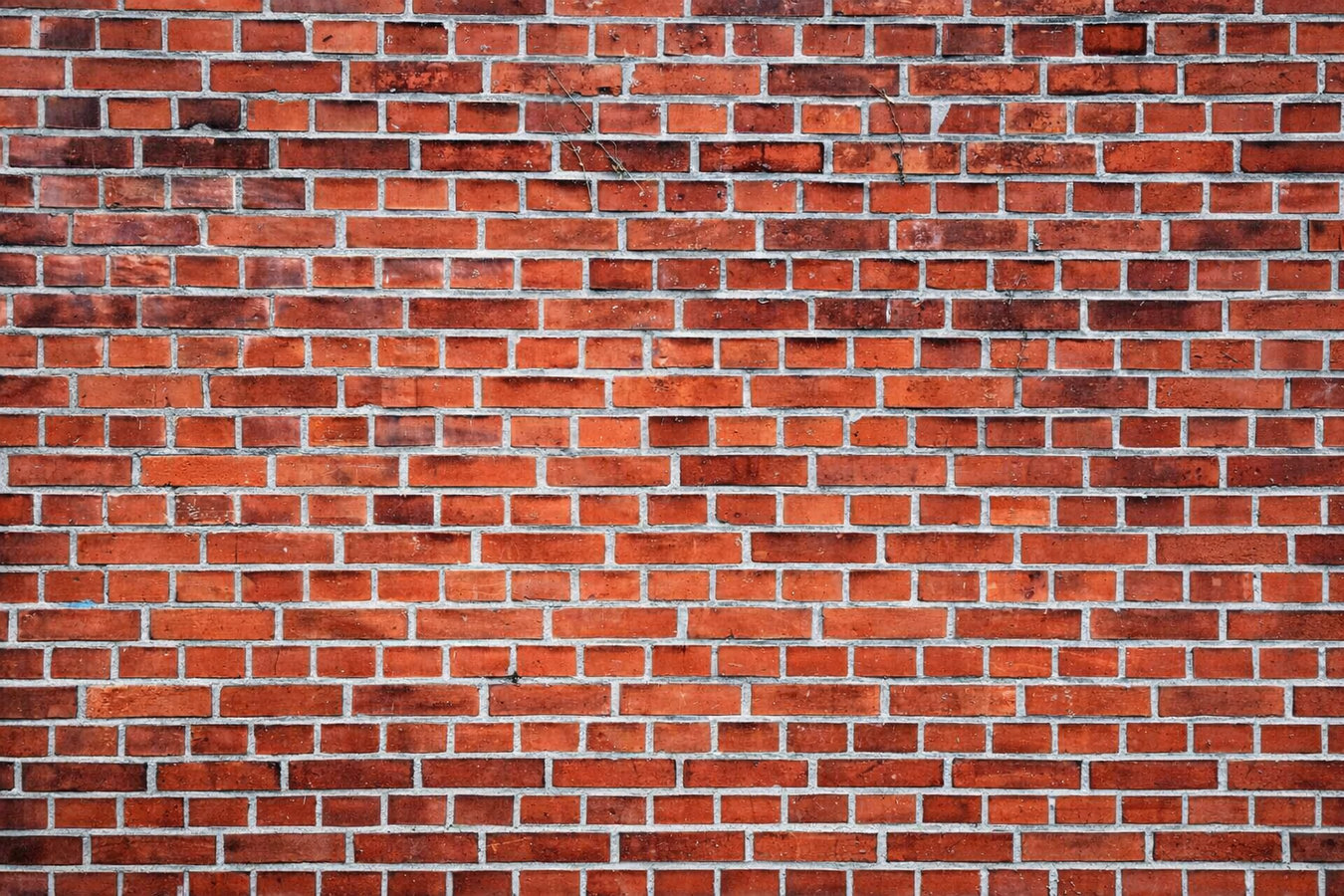
Soft, crumbling mortar lets Bay Area rain and fog work into your brickwork every season. We remove the old mortar and pack in fresh mortar matched to your existing joints - chimneys, garden walls, and exterior brick throughout Menlo Park.
Brick pointing in Menlo Park, CA is the process of removing old, crumbling mortar from the joints between bricks and packing in fresh mortar - most chimney repoints take one to two days, and garden or boundary wall jobs are similar depending on the linear footage involved.
Mortar is designed to be the softer material in the wall - it absorbs movement and stress so the bricks themselves do not crack. But that same softness means it wears out over time, typically within 25 to 50 years under normal conditions. In Menlo Park, the combination of Bay Area coastal fog cycling through the brickwork every summer morning and winter rain soaking the joints from November through April tends to accelerate that erosion. Many homes in the Willows, Allied Arts, and older neighborhoods near downtown were built in the 1940s through 1960s with mortar that has never been touched - and that mortar is well past its useful life. The damage is mostly invisible until it is not: water eventually gets behind the brickwork, reaches framing or insulation, and what was a maintenance job becomes a significant repair. If your home also has cracked or shifting bricks, a foundation assessment may be the right first step before repointing begins, to rule out structural movement as a contributing cause.
For homeowners who want a more finished look than standard repointing provides, our tuckpointing service uses a two-color mortar technique to create a sharp, contrasting joint line - a good option if the existing brickwork will be visible from the street and appearance matters as much as function.
Go outside and press your finger firmly against the mortar lines between your bricks. If the mortar feels soft, powdery, or flakes away with light pressure, it has lost its strength and is no longer doing its job.
This is the clearest sign that repointing is needed. The sooner you address it, the less water damage you will have to deal with - and the lower the repair cost stays.
Stand back and look at your chimney or brick wall from a few feet away. If you can see dark gaps where mortar used to be, or sections where the joint looks recessed more than a quarter inch, water is already getting in.
In Menlo Park's foggy summers, those gaps collect moisture every morning. That repeated wetting accelerates damage significantly - what looks minor from the street can be actively worsening.
A chalky white residue on the face of your bricks - called efflorescence - is a sign that water is moving through the masonry and carrying dissolved salts to the surface. Failing mortar joints are the most common entry point.
It is not dangerous on its own, but it tells you moisture is getting in. Left alone, that moisture can reach framing and insulation, and repairs become significantly more expensive.
The Bay Area experiences small earthquakes regularly, and even a modest shake can open new cracks in mortar joints that were already weakened. If you noticed new hairline cracks in your chimney or brick wall after a recent tremor, those cracks are worth addressing before the next rainy season.
Left open, new cracks let water in and the damage compounds quickly. Catching them early keeps the repair in the repointing category rather than the structural category.
Most brick pointing jobs in Menlo Park fall into one of four categories depending on where the wear is concentrated. Chimney repointing is the most common request - brick chimneys are exposed to more weather than any other part of the structure, and a chimney with failing mortar is one of the fastest ways to get water inside your walls once the rainy season arrives. Garden and boundary wall repointing covers the freestanding walls common in older Menlo Park yards, where decades of Bay Area weather cycles have gradually eroded the original mortar. Exterior brick wall repointing addresses the home's facade, where mortar wear tends to be uneven - concentrated near windows, downspouts, and corners where water runs. For walls where only a section has deteriorated, targeted spot repairs are often the most cost-effective approach rather than repointing the entire surface.
The process is the same across all of these: old mortar is ground or chiseled out to the right depth, new mortar is mixed and matched to the existing brickwork in strength and color, packed in by hand, and tooled smooth. A job done correctly looks natural once the mortar has cured - not smeared across the brick face, not a noticeably different color, not applied over the top of old material. If the bricks themselves are cracked or spalling, we assess those separately before repointing begins - pointing over a structurally compromised brick is not a solution. Our foundation repair work is relevant when movement is causing cracks to reappear, and our tuckpointing service is the right scope when a more refined joint appearance is the goal.
Removing and replacing mortar joints on brick chimneys - one of the most common repointing jobs in Menlo Park given the area's older housing stock, and the highest-priority repair when mortar shows signs of wear.
Restoring mortar joints on freestanding garden walls, low boundary walls, and landscape border walls - suited to homeowners with older Menlo Park properties where original mortar has weathered over decades.
Full or partial repointing of exterior brick on home facades - for homes where mortar joints have eroded unevenly and patching alone would not provide a uniform, weather-tight result.
Focused repointing of specific failing areas rather than a full wall - suited to homes where most of the mortar is still sound but a section near a downspout, corner, or chimney cap shows concentrated wear.
Menlo Park sits close enough to San Francisco Bay that summer fog is a regular part of life - even in months that feel dry. That repeated morning moisture cycling through brick and mortar accelerates erosion faster than in drier inland cities. Add Menlo Park's rainy season running from November through April, and any mortar that is already showing wear is being stressed constantly. The Bay Area's seismic activity compounds this: even minor tremors cause small amounts of movement in masonry structures, opening hairline cracks in joints that were already weakened. If your home is on the Peninsula and has original mid-century brickwork, there is a reasonable chance the mortar is overdue for attention - not because anything has visibly failed, but because the conditions here work against mortar faster than the national averages would suggest. Homeowners in East Palo Alto deal with the same fog cycles and seismic conditions, and we work across both cities regularly.
Timing matters here more than in many other markets. The Brick Industry Association and most experienced masons agree that fresh mortar needs dry conditions to cure properly - which means scheduling repointing work between May and October in this climate. Contractors in Menlo Park tend to book up quickly in spring and early summer, so if you want work done before the rains return, getting on the schedule in March or April gives you more options. Homeowners in San Carlos face the same scheduling pressure, and we serve that area on the same timeline.
We respond within 1 business day to arrange a free on-site estimate. Share any photos you have of the affected mortar joints - photos taken in good light help us assess severity before we arrive and come prepared with the right questions.
We walk the structure with you, check the mortar depth and condition, look at the bricks themselves for any cracking or spalling, and assess access. You get a written quote that breaks down the scope clearly - no vague totals that expand once work starts.
Fresh mortar needs dry conditions to cure, so we schedule with the forecast in mind. Menlo Park's summer fog means even a technically dry day can bring morning moisture - we plan around that and will not set mortar when conditions put the cure at risk.
We grind or chisel out the old mortar to the right depth, pack in fresh mortar matched to your existing brickwork, tool the joints smooth, and clean mortar residue off the brick faces before we leave. We give you written curing instructions - new joints need to stay dry for at least 24 to 48 hours after we finish.
Free on-site estimate. We assess the mortar depth, match to your existing brickwork, and give you a written quote before any work begins - no pressure, no surprise charges.
(415) 294-8180The most common mistake in brick pointing is using mortar that is too hard for the existing bricks. Hard mortar forces stress into the bricks themselves, causing them to crack or spall over time. We match the new mortar's strength and color to what was originally used - and we can explain how we determine that if you ask. In Menlo Park's older homes, original mortar often has an unusual tone from age, and a small test sample before committing to the full job is standard practice for us.
Smearing new mortar over old, crumbling mortar looks like pointing but is not - it will fail within a few years because the new material cannot bond to a deteriorated surface. We remove old mortar to a depth of about three-quarters of an inch before fresh mortar goes in. If you have seen another contractor's estimate, ask them specifically how they handle this step - the answer tells you a lot.
A large share of Menlo Park homes were built between the 1940s and 1960s, and brick chimneys, garden walls, and decorative brickwork from that era are common throughout neighborhoods like the Willows and Allied Arts. We have assessed and repointed work from that period regularly and know what to expect - including the HOA review requirements in some neighborhoods before exterior work can begin.
Menlo Park sits close enough to the Bay that summer fog brings morning moisture even in the dry season. Fresh mortar that gets wet before it has cured will weaken and fail early. We check the forecast before scheduling, plan work during the most reliable dry windows, and apply light protection overnight if fog or unexpected moisture is likely. You can verify our California masonry license directly through the California Contractors State License Board.
Brick pointing done correctly is a repair that lasts decades. Done incorrectly - wrong mortar hardness, wrong depth, new material over old - it fails within a few years and you are back to the same problem. We hold a valid California masonry license, verifiable through the California Contractors State License Board, and we follow mortar selection and joint repair standards based on guidance from the Brick Industry Association.
When failing mortar on a chimney or exterior wall is paired with signs of foundation movement, a foundation assessment is the right next step before repointing work begins.
Learn MoreA specialized version of mortar joint repair where two-colored mortar is used to create a crisp, contrasting joint line - for homeowners who want a more finished appearance than standard repointing provides.
Learn MoreDry-season slots fill fast - reach out now to lock in your appointment before the best scheduling windows are gone.