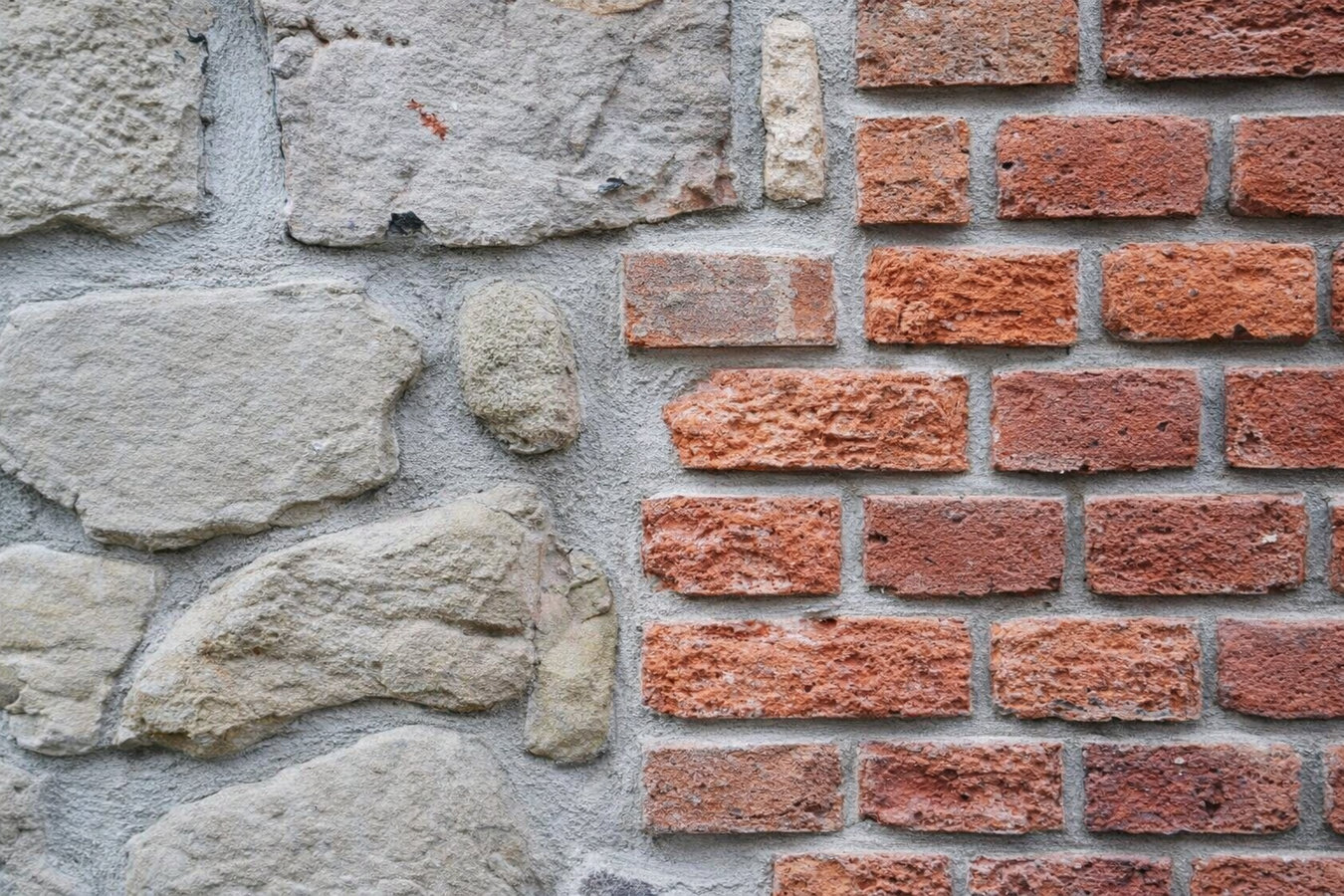
Crumbling mortar, spalling brick, and seismic cracks are costing you every rainy season you wait. We restore brick, stone, and block structures so the damage stops here.
Masonry restoration in Menlo Park covers repairing, cleaning, and stabilizing brick, stone, or concrete block that has started to deteriorate - most jobs take one to five days depending on scope and access.
If your brick or stone looks rough, the instinct is to assume a full replacement. In most cases that is not true. A skilled mason can stabilize and restore structures that look far worse than they actually are, saving significant money compared to tearing things out. Whether the issue is crumbling mortar joints, spalling brick faces, or cracks that appeared after a Bay Area tremor, there is usually a repair path worth knowing about.
Masonry restoration often pairs with fireplace installation when older fireplace surrounds need structural attention before a new unit goes in. If your home is more than 40 years old and the mortar has never been touched, now is the right time to look.
Press your thumb firmly against any mortar joint on your home. If it crumbles, flakes, or feels soft and sandy, the mortar has broken down and is no longer protecting the structure. This is especially common in Menlo Park homes built before 1960, where original mortar has been through decades of wet winters and dry summers.
If new cracks appeared in a chimney, exterior wall, or retaining structure after notable shaking, that is worth taking seriously. The Bay Area's seismic activity can shift masonry in ways that look cosmetic on the surface but compromise structural stability. Diagonal cracks at corners or stair-step cracks along mortar joints are particularly worth having evaluated.
That chalky white residue on brick surfaces is called efflorescence - mineral salt left behind when water moves through the masonry and evaporates. It is not dangerous on its own, but it reliably signals that water is entering the masonry where it should not be. In Menlo Park this staining often appears or worsens between December and March.
When the surface of a brick starts to peel away in thin layers - called spalling - water has been cycling through wet and dry conditions repeatedly over many years. Once a brick face starts to spall, the damage tends to spread. Addressing a few affected bricks early is far less costly than dealing with a larger section later.
Our masonry restoration work covers the full range of what aging brick, stone, and block structures need. The most common job is mortar repointing - removing deteriorated mortar from joints and packing in new material that matches the original in color, texture, and hardness. For homes built before 1950 this step is critical: using mortar that is too hard for old soft brick will cause the brick faces themselves to crack over time. We test existing materials and match accordingly.
Beyond repointing, we handle spall repair on individual brick or stone faces, crack stabilization using stitching and injection techniques, and full section rebuilds where movement or damage has gone too far for repair alone. For homeowners whose projects involve decorative outdoor structures, we often coordinate restoration scope with stone masonry work so the finished result looks uniform rather than patched.
Best for homeowners with sound bricks but failing mortar joints that need replacement before winter rains arrive.
Ideal when individual bricks or stones have chipped, flaked, or eroded surfaces that are spreading to adjacent units.
For walls or chimneys where seismic movement or settlement has opened visible cracks that need structural attention.
Suited to situations where damage is too extensive for repair alone and a section of wall or chimney needs to be rebuilt from scratch.
A large share of Menlo Park's residential neighborhoods - including the Willows and Allied Arts - feature homes built between the 1920s and 1960s. Masonry on homes that age is well past the typical 25 to 50 year lifespan of original mortar. Many homeowners are dealing with joints that are quietly failing even if the brickwork looks intact from the street. Add Menlo Park's position near both the San Andreas and Hayward faults and the picture becomes clearer: small cracks that look cosmetic can signal deeper movement, and the dry-wet seasonal cycle that defines Bay Area winters opens those cracks wider each year.
We work regularly across the Peninsula, including in Palo Alto and Redwood City, where homes share the same mid-century construction and the same wet-winter stress patterns. Scheduling restoration in late summer or early fall - before November rains - gives new mortar the full curing window it needs. The National Park Service Preservation Briefs remain the most widely respected guidance on matching repair mortar to historic masonry - the kind of detail that separates work that lasts from work that causes new damage.
Call or use the contact form - we reply within one business day. We will ask a few simple questions about what you are seeing and roughly how old the home is so the site visit is focused.
We examine the masonry up close - testing mortar joints, looking for cracks, and checking whether any structural movement has occurred. You receive a written estimate that breaks down scope and cost before we touch anything.
Structural repairs, chimney work, and retaining walls typically require a City of Menlo Park building permit. If your neighborhood has an HOA with design review requirements, we flag that early and handle the paperwork on your behalf.
Most restoration work happens outside, so your daily routine inside is rarely disrupted. We protect landscaping and clean up each day. At completion we walk you through everything done and give you curing instructions for the new mortar.
Free written estimate. No obligation. We reply within one business day.
(415) 294-8180Menlo Park has a high concentration of pre-1960 homes that require lime-based mortar repairs, not modern Portland cement mixes. We test existing materials and match repairs so the masonry weathers as a unit - not in mismatched patches that crack within a few years.
We know the difference between settling cracks and cracks caused by ground movement near Bay Area fault lines. Every assessment includes a check for signs of seismic displacement so structural concerns are caught before they are framed as cosmetic repairs.
Scope creep is one of the most common complaints homeowners have with contractors. We provide a written estimate that breaks down every line item after the on-site visit - so your final bill matches what you agreed to, not what was discovered mid-project.
California's masonry licensing requirements are among the strictest in the country. We hold a current state license through the Contractors State License Board and handle permit applications so every job is on record and inspected.
These proof points add up to one thing: you know what you are getting before work starts, and the work is done to a standard that holds through Menlo Park winters and the occasional tremor. Call us or use the estimate form below to get started.
Install a new masonry or gas fireplace that meets Menlo Park's seismic and air quality requirements.
Learn MoreNew stone walls, columns, and features built to complement restored masonry on the same property.
Learn MoreMenlo Park's rainy season starts in November - booking now gives new mortar the full curing window it needs. Call or request a free estimate today.