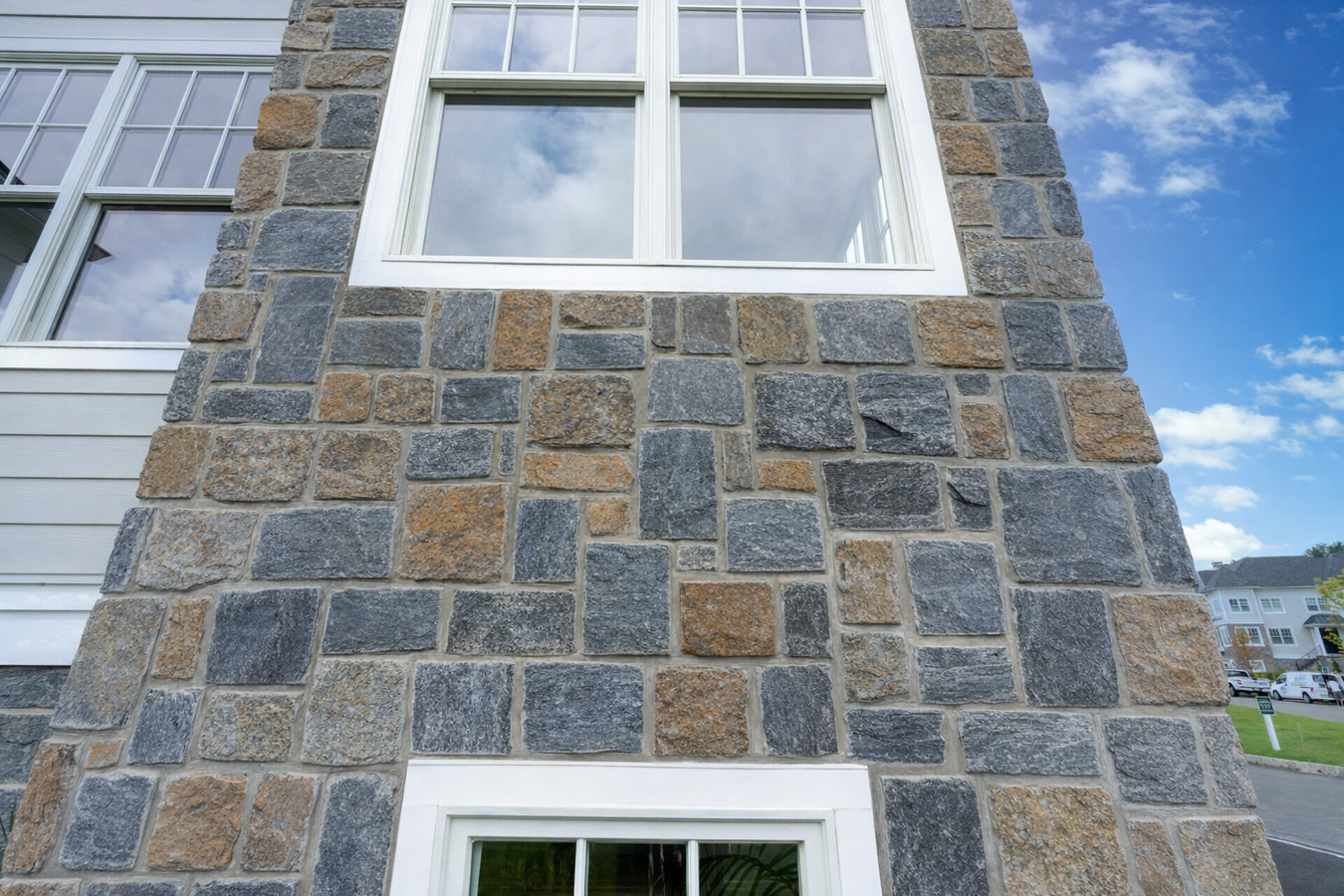
Crumbling mortar, shifting patios, and leaning retaining walls are fixable - when the base and drainage are done right the first time. We handle stone retaining walls, patios, garden walls, and veneer across Menlo Park with full permit management.
Stone masonry in Menlo Park, CA covers everything from building a retaining wall on a sloped lot to setting a new stone patio or repairing a crumbling garden wall - most residential projects take one day to two weeks depending on size, and the work is done by hand, stone by stone, on a prepared base.
The visible stone is only part of what you are buying. What actually determines how long a stone patio or wall lasts in Menlo Park is what happens before the stone goes down: how well the soil is compacted, how deep the gravel base is set, and whether the drainage slope is correct. Menlo Park's rainy winters followed by dry summers put the ground through a seasonal expansion and contraction cycle that will shift any surface that was not built to account for it. Homeowners in this area also need to factor in nearby tree roots - the mature oaks, redwoods, and eucalyptus in neighborhoods like Allied Arts and the Willows are beautiful, but their root systems can get under a patio and lift the surface within a few years if the base depth and root proximity are not addressed at installation. For homeowners already dealing with damaged stonework on an older home, our brick pointing service can restore aging mortar joints without replacing the stone, which is often the more cost-effective starting point.
If your project involves exterior veneer on a home facade or a fireplace surround rather than ground-level paving, our stone veneer installation work covers those applications separately, using lighter manufactured or natural stone panels designed for vertical surfaces.
A retaining wall that is starting to lean forward or has stones that have shifted out of alignment is under stress and may be close to failing. In Menlo Park's hillside-adjacent neighborhoods, a failing retaining wall can mean soil movement that damages landscaping, fencing, or a home's foundation.
This is not something to watch and wait on. The longer a leaning wall sits unreinforced, the more expensive and disruptive the eventual repair becomes.
If you notice new cracks or areas where the surface has dropped or tilted after a wet winter, the base beneath the stone has likely shifted. Menlo Park's wet winters followed by dry summers put repeated stress on the ground under patios.
What starts as a small crack can become a trip hazard or a drainage problem if left alone - and the longer it sits, the more base prep work is needed before new stone can go down.
Run your finger along the joints between stones on an older wall or patio. If the mortar comes away as powder or you can see gaps where it has fallen out, the wall is losing its structural bond.
This is especially common in Menlo Park homes built before the 1980s, where original mortar has had decades to weather. Repointing early costs a fraction of what a full wall rebuild costs later.
Stone patios and walkways should slope gently away from your home so rainwater drains into the yard or a drain channel. If you notice water collecting near your foundation after a storm, the grade of your patio may have shifted or was never set correctly.
Standing water against a foundation causes serious moisture and structural problems over time - a drainage correction now is far less expensive than foundation repair later.
Most stone masonry projects in Menlo Park fall into one of four categories. Retaining walls are the most structurally demanding - they need proper drainage backfill, footings sized for local soil conditions, and seismic reinforcement for any wall above a certain height. Stone patios and walkways are the most common residential project, and they live or die based on the base prep work done before the stone is set. Garden and decorative walls are lower-stakes structurally, but they still need to be built with the right mortar and a base that accounts for how the ground moves here between wet and dry seasons. For exterior applications, stone veneer installation is a separate scope that uses lighter panels designed for vertical surfaces.
Every project we take on starts with an honest assessment of what the site conditions require. For retaining walls, that means evaluating the slope, soil type, and drainage situation before we talk about stone selection. For patios, it means checking whether there are roots nearby and how the existing grade drains. If your project includes both ground-level paving and a vertical application like a fireplace surround or entry feature, we scope those together so you have one written estimate covering the full job. Our brick pointing work is relevant for any existing stone or brick feature with aging mortar joints, and our stone veneer installation covers exterior and interior vertical stone applications.
Structural walls engineered to hold back a slope or raised grade, built with proper footings, drainage backfill, and seismic reinforcement - suited to Menlo Park hillside and sloped yard properties.
Outdoor paving in natural stone or manufactured stone set on a compacted gravel base with correct drainage slope - for homeowners who want a durable, attractive surface that holds up through Bay Area wet-dry cycles.
Freestanding walls using natural or cut stone to define planters, landscape borders, or seating areas - suited to homeowners updating an older Menlo Park yard or matching the character of an existing stone feature.
Natural stone or manufactured stone veneer applied to exterior walls, fireplace surrounds, or entry features - for homeowners who want the look of natural stone on a vertical surface without the weight of full-depth stonework.
Menlo Park sits in a Mediterranean climate zone that delivers real rain from November through April and then goes almost completely dry for six months. That wet-dry cycle expands and contracts the ground beneath any stone surface, and the results show up as cracks, uneven sections, and mortar gaps - usually within the first few years if the base preparation was not done to account for it. The same cycle affects existing stone walls on homes built in the 1940s through 1970s, which is a large share of Menlo Park's housing stock. Many of those walls have original mortar that has never been touched and is well past its useful life. Homeowners in Palo Alto deal with the same soil and climate conditions, and we work across both cities regularly.
The seismic reality here adds another layer. The San Francisco Peninsula sits in one of the most earthquake-prone regions in the country, and California's building code requires structural masonry - including retaining walls above a certain height - to meet specific seismic design standards. That means permits, engineering review, and city inspection for any wall that qualifies. Neighborhoods like Sharon Heights and Allied Arts also have active homeowners associations with architectural review requirements for visible exterior work - we are familiar with that process and can advise on what to prepare before submitting. Homeowners in Redwood City navigate similar permit and HOA requirements, and we handle those as part of the same workflow.
We respond within 1 business day to schedule a free on-site visit. Share any photos you have of the area, and mention whether the project involves a slope, existing trees, or an HOA - it helps us come prepared with the right questions.
We check the slope, soil conditions, root proximity, and access for equipment. You receive a written estimate separating labor from materials, including any permit fees - so you can compare quotes clearly and there are no line items that appear later as surprises.
We submit the permit application through the City of Menlo Park and track the review. If your neighborhood requires HOA architectural approval, we can advise on what documentation is typically needed. Once permits are cleared, we set your confirmed start date.
We excavate, compact the gravel base, and set drainage before a single stone goes down - this prep is what makes the finished surface last. Stone-setting follows, and we clean the site and coordinate any required city inspection before we leave.
Free on-site estimate. We assess soil conditions, root proximity, and permit requirements before giving you a written quote - no surprises on the final invoice.
(415) 294-8180The most common reason stone patios and walkways fail in Menlo Park is a base that was not prepared for the ground to shift between wet winters and dry summers. We excavate to the right depth, compact a gravel base, and set the drainage slope before a single stone goes down. What looks like the easiest part of the job is actually the most important.
Menlo Park's older neighborhoods - Allied Arts, the Willows, Felton Gables - are known for mature oaks, redwoods, and other large trees. Root systems from these trees can lift and crack stone surfaces within a few years if the base is not designed with root intrusion in mind. We assess proximity before starting and advise honestly on what design adjustments reduce that risk.
We apply for required permits through the City of Menlo Park, coordinate the inspection schedule, and hand you documentation at the end of the job. For retaining walls and structural work, that inspection record protects you at resale and confirms the work was built to California's seismic and structural standards.
In a high-cost market like Menlo Park, low quotes that grow once work starts are a real problem. Every estimate we provide breaks down labor, materials, base prep, drainage, and permit fees in writing before you sign anything. You can verify our California masonry license directly through the California Contractors State License Board before committing.
These are the specific site conditions that cause stone masonry to fail prematurely in Menlo Park when a contractor does not account for them. We hold a valid California masonry license, which you can confirm directly through the California Contractors State License Board. We follow installation standards published by the Mason Contractors Association of America, which set the baseline for base preparation, mortar selection, and drainage design in the industry.
Removing old, crumbling mortar from existing stone or brick joints and packing in fresh mortar - extends the life of existing stonework without replacing the stone itself.
Learn MoreLightweight manufactured or natural stone veneer applied to exterior walls, fireplace surrounds, and entry features for the look of stone on vertical surfaces.
Learn MoreSpring and summer slots fill fast - reach out now to lock in your start date before the dry-season rush begins.