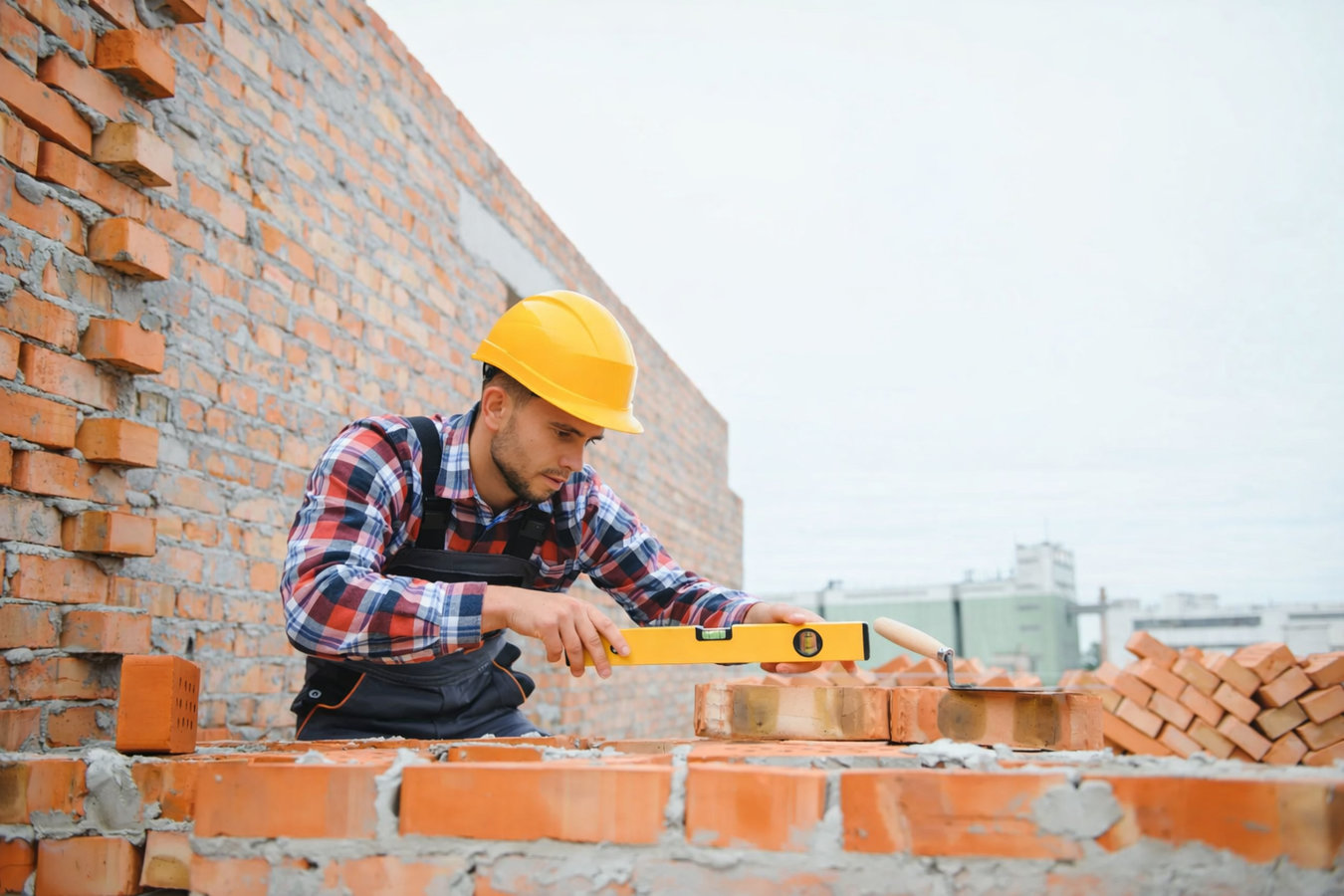
Cracked bricks, crumbling mortar, and water staining get worse with every rainy season. We assess the damage, match your original materials, and fix it before the next storm arrives.
Brick repair in Menlo Park, CA focuses on fixing specific damaged areas - cracked or crumbling bricks, worn mortar joints, or loose sections - and most jobs can be completed in one to three days without replacing an entire wall or chimney.
Most brick damage starts with water finding a way in - through cracked mortar, a missing cap on a chimney, or a gap where brick meets another surface. Once water gets inside and cycles through repeated wetting and drying, it slowly breaks brick apart from the inside. Menlo Park's rainy winters make this cycle a real annual concern for homeowners with aging brick structures. The cost of addressing it early is almost always lower than waiting until the damage is visible and widespread.
When mortar joints are the primary issue rather than the bricks themselves, the repair is typically done through tuckpointing. A mason can tell you during the assessment whether you need brick replacement, repointing, or a combination of both.
Run your finger along the mortar joints. If the material feels soft, crumbles easily, or has pulled away from the brick edges, it needs to be replaced. In Menlo Park, this wear is especially common on homes that have gone through multiple rainy seasons without maintenance.
The wet winters slowly eat away at aging mortar, and once water gets behind the brick, it begins working on the wall structure itself.
White, chalky deposits on brick - called efflorescence - mean water has been moving through the wall and leaving mineral residue behind. Cracking or flaking brick faces signal that moisture has been getting in and cycling out repeatedly.
Both are common in Bay Area homes after a wet winter and are worth having a mason look at before the next rainy season arrives.
If bricks near the top of your chimney look shifted, or the mortar around the chimney crown is visibly missing, those are warning signs. Chimneys in the Bay Area take extra wear from both seismic activity and weather exposure on all sides.
A damaged chimney cap or crown allows water to enter from above, accelerating interior damage and posing a longer-term safety concern.
If part of a garden wall, retaining wall, or exterior wall looks like it is bowing outward - even slightly - do not wait on it. This can be caused by soil pressure, water buildup behind the wall, or gradual ground shifting.
All of these factors are relevant in Menlo Park's soil and seismic conditions, and a mason should assess the wall before the movement progresses further.
We handle brick repair on chimneys, exterior walls, garden walls, and retaining walls throughout Menlo Park and the Peninsula. Every repair starts with a close assessment of the damage to identify the root cause - whether that is water entry, seismic movement, or normal age-related wear. We then remove the damaged material, source replacement brick that matches your original as closely as possible, and fill joints with mortar matched to the existing color and texture.
For chimneys with damage beyond the brick itself - crown cracking, failing flashing, or a missing cap - we address those components in the same visit so water does not re-enter through a different path once the brick is repaired. When the overall surface condition of an older structure needs broader attention beyond targeted patching, we can combine brick repair with masonry restoration for a more complete result.
Best for walls where mortar joints or brick faces are cracked but the overall structure is still sound.
Best for chimneys and walls where individual bricks are spalling, broken, or have shifted out of position.
Best for chimneys showing water damage, crown failure, or seismic-related cracking - covers the full chimney from base to cap.
Best for free-standing walls that are showing bulging, shifting sections, or where mortar wear has let water into the wall structure.
A large share of Menlo Park's residential neighborhoods - particularly in the Willows and Allied Arts areas - have homes built between the 1920s and 1960s. Brick from that era was made to different standards than modern brick, and finding a close match in size, color, and texture takes extra effort. This means your masonry contractor needs experience working with vintage materials, not just modern off-the-shelf products. Homeowners in Belmont and throughout San Mateo County share the same mid-century housing stock and face the same material-matching challenges.
Menlo Park receives most of its rainfall between November and March. Brick that has cracked mortar or open joints absorbs that water steadily over the rainy season. Even without freeze-thaw cycles - which are rare here - repeated wetting and drying weakens mortar and can cause brick faces to flake and spall. The San Francisco Bay Area's seismic activity adds another dimension: diagonal cracks that run across multiple bricks and joints are a signal to look closer, not just patch the surface. Homeowners near East Palo Alto and across the Peninsula face the same combined conditions, which is why scheduling brick repair in fall - before the rains - gives the best outcome.
Call us and describe the damage - where it is, how large the area looks, and whether you have noticed any water getting inside. You do not need to know all the answers. We respond within 1 business day and schedule an in-person look.
The mason walks the area with you, checks the damage closely, and looks at what is causing the problem - not just what it looks like. You receive a written estimate covering scope, materials, timeline, and total cost before committing to anything.
The crew removes damaged mortar or broken bricks carefully, cleans the area, and fills or replaces with matched materials. Depending on the size of the job, this takes a few hours to a couple of days. The work area is cleaned up at the end of each workday.
Fresh mortar needs about a week to fully harden - avoid pressure-washing the repaired area during that time. Before the contractor leaves, walk the finished job together and check that mortar joints look consistent and brick faces are clean.
Free on-site assessment. Written estimate. No obligation to move forward.
(415) 294-8180Many Menlo Park homes were built between the 1940s and 1960s with brick that is no longer manufactured. We source salvaged and specialty brick and test mortar mixes before committing to a repair so the finished work blends in rather than standing out.
We identify upfront whether your job needs a city permit, pull it if it does, and help you document materials if your HOA requires written approval before work begins. You should not have to navigate that process alone.
We know what earthquake-related cracking looks like versus normal weathering - diagonal cracks across multiple bricks and joints tell a different story than surface chips. Living near the San Andreas Fault means that distinction matters here.
We offer free on-site assessments with no obligation to move forward. When you reach out, you will hear from us within one business day to schedule a visit at a time that works for you.
Our approach to every brick repair job on the Peninsula starts with understanding the root cause - not just fixing what is visible. That is what separates repairs that last from repairs that fail in the next wet season. The Brick Industry Association sets the standards we follow for mortar compatibility and brick replacement, ensuring repairs do not cause new damage to the surrounding masonry. For chimney-specific work, we also draw on guidance from the Chimney Safety Institute of America.
If your driveway surface is cracking or settling alongside brick damage on the property, driveway paver installation gives you a durable replacement built for Bay Area conditions.
Learn MoreWhen an older brick structure needs more than patching - cleaning, stabilizing, and restoring the full surface - masonry restoration handles the broader scope.
Learn MoreMenlo Park's rainy season starts in November - book now to make sure your repair is done and fully cured before the wet weather hits.